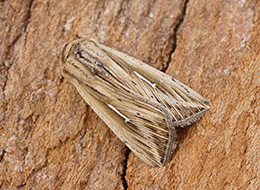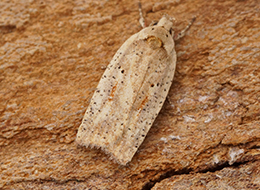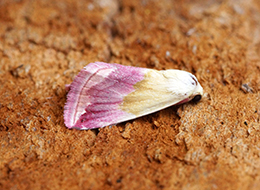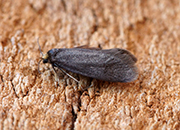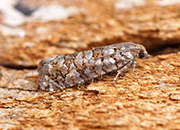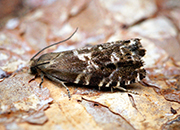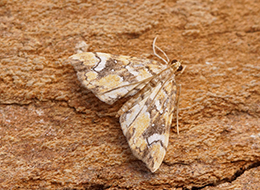
The only new species for the year on Saturday night was just a casual Eastern Bordered Straw :o what a moth, one I was really hoping for (This or Ni Moth).
| Eastern Bordered Straw |
Musotima nitidalis
L-album Wainscot
Feathered Ranunculus
Agonopterix nervosa
Blossom Underwing
Beautiful Marbled
Lampronia fuscatella
Gravitarmata margarotana
Perittia obscurepunctella
Black-spotted Chestnut
Cydia pactolana
The only new species for the year on Saturday night was just a casual Eastern Bordered Straw :o what a moth, one I was really hoping for (This or Ni Moth).
| Eastern Bordered Straw |
Another good catch on Friday night, still around 40 species so not too bad at all.
Big hitters are currently Turnip Moth, Nutmeg, Common Wainscot and unbelievably Small Mottled Willow, which is still up there with the common moths! If you asked me last year that Small Mottled Willows will become common next year, I would have laughed!
As with mothing, it only really takes one moth to make lighting up worthwhile.
Yponomeuta plumbella was a new species for the garden, a tiny little white moth picked out amongst the 10's of other Yponomeuta species. This is probably the main reason why it stays an uncommon species, as apart from the dark dots on each wing, they aren't that easy to tell apart, especially at night.
The first July record of Square-spot Rustic was also noteworthy.
| Yponomeuta plumbella |
| Coleophora hemerobiella |
| Galleria mellonella |
| Square-spot Rustic |
The two Cydia's were remarkably different and great to see the colour variation that can occur.
Not to leave out the macros, luckily one made it on the year list, a Small Rufous.
Warm but some nights have been a little cooler towards the back end of the week.
Last night it was a little warmer and calmer, but with a slight breeze still coming from the east coast.
Lows of 15.8c was decent enough for the time of year and highs of around 26 degrees during the daytime.
Less species than the previous night, but some more quality.
Coleophora clypeiferella was recorded again! 2 in 2 nights and pretty special to say the least, specimen checked to confirm.
Other good returning micros included Dioryctria simplicella & Nephopterix angustella.
Last night it was a little milder and with a bit of cloud cover and no wind, surely it would be a good night?
Well yes and no. Species-wise not too bad at all with a healthy 61 species and a smattering of all of the common migrants which included Silver Y, Plutella xylostella, Udea ferrugalis & Nomophila noctuella.
Numbers were pretty terrible though, and things were slow to arrive as well.
Common macros are well down, the best being Common Wainscot at 6 individuals.
New species have dried up from 8-10 per night a few weeks back, to just a couple per session now and It's certainly quality over quantity.
The previously scarce, but becoming increasingly more common Musotima nitidalis, was added. A feeder of Ferns and more commonly encountered in woodland.
The 2nd new species for the year was a 2nd garden record of Coleophora clypeiferella, and the third I have seen in the county. These 3 records make up half of the county records. This is probably more due to being overlooked and disregarded than actually being rare.
The adult moths have an unusual sclerotised plate on the abdomen containing small spines, which it is believed is used to help break out of the pupal cocoon when hatching commences.
I was lucky that a quick burst of c02 to help see the verso of its abdomen confirmed that it was indeed this species and not the similar, but more coastal dwelling Coleophora salicorniae.
Warmer weather approaching once more, but that is not what we need, we need some decent amounts of rain! 30+ days now without any here in the east.
Finally caught up with my moth records.
Saturday night yielded two 2nds for the year in the shape of a beautiful Cream-bordered Green Pea and the uncommon Dark Spinach.
Warming up once more as the week progresses, but bearable at the same time.
I made a trip down to Wicken Fen on the 9th of July, and was joined by Mark Welfare whom was on a road trip down south, travelling from Northumberland.
It had been a very warm day with highs of 34 degrees and it was set to be a very mild night hovering just below 20 degrees by the time we were packing up, an almost tropical night.
We both setup traps in different areas to cover as much ground as we could.
Warm, humid and it didn't matter that the sky was clear because we had no bright moon to contend with and with a warm airflow, lows of 18c were expected by dawn.
Unfortunately the wind was a bit gusty at times, and one of my traps was rather exposed to this, trays kept falling over, the groundsheet kept flicking up, and moths were scattering several metres beyond the trapping area, making it difficult to find them amongst the grass.
Macro Moths
Black ArchesMicro Moths
Acentria emphemerella